

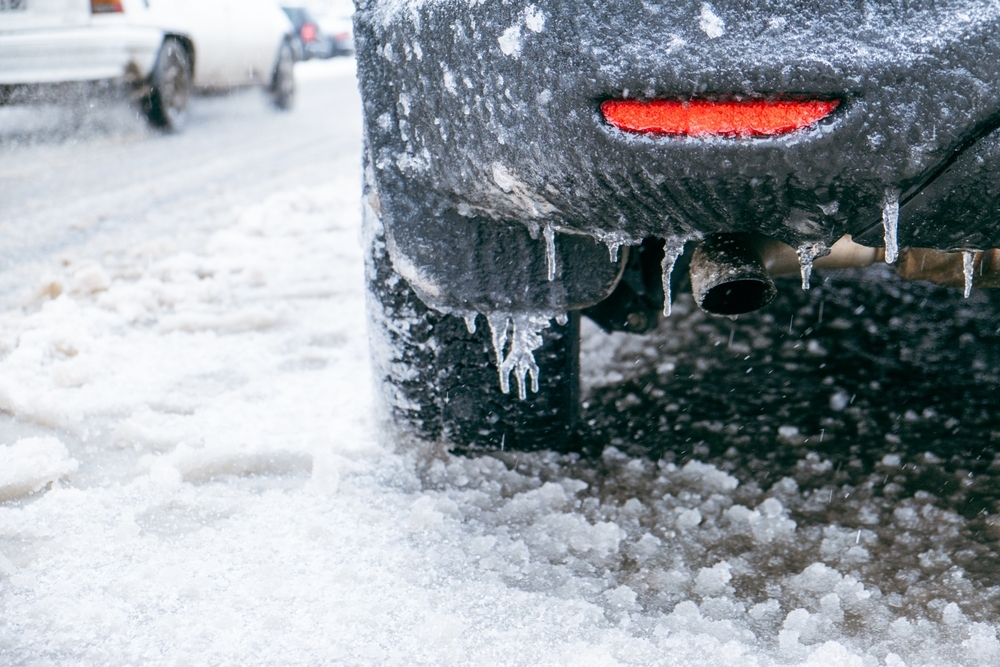
The winter season in North Jersey brings unique risks to even the most experienced drivers. In Bergen County, where heavily trafficked routes like Route 17, the Garden State Parkway, and the New Jersey Turnpike converge, a sudden drop in temperature can turn a routine commute into a complex legal matter in an instant.
At Sadaka Law, we represent individuals whose lives have been impacted by black ice collisions. If you’re searching for a New Jersey car accident lawyer after a winter crash, early documentation and the right next steps can make a meaningful difference. These cases can be difficult to navigate, particularly when insurance carriers raise weather-related defenses to contest liability.
This guide is designed to help you navigate the immediate aftermath of an accident, protect your rights, and understand how fault is commonly evaluated in New Jersey auto accidents.
What Is Black Ice and Why Does It Lead to Disputes?
Black ice is a thin, transparent glaze that forms when light rain or melting snow refreezes. Because it is clear, it allows the pavement to show through, making the surface appear merely damp or even dry.
The Legal Dispute Over Foreseeability
In New Jersey, black ice crashes are frequently disputed because they hinge on the duty of care.
- The defense argument: Insurance companies often argue that winter hazards are foreseeable, particularly when freezing conditions are present, and that a reasonable driver should preemptively adjust speed and following distance, regardless of whether ice was visible.
- The plaintiff’s reality: Motorists often find these crashes unavoidable because the hazard was invisible to the naked eye, leaving little time to react before losing traction.
This fundamental disagreement is why early documentation can be an important factor in a successful personal injury claim involving black ice or winter conditions.
Immediate Steps After a Black Ice Crash in Bergen County
The first hour after a collision is critical for both your physical recovery and the integrity of a potential legal claim.
1. Prioritize Safety to Prevent a Chain Reaction
If you slide on black ice, there is a high probability that other drivers will lose traction in the same spot. If it is safe and your vehicle is functional, move to the shoulder.
If you are stuck, stay inside with your seatbelt fastened. Never stand on an icy shoulder to inspect damage. Secondary crashes are a common cause of severe injuries and fatalities during North Jersey winters.
2. Notify Law Enforcement and Document the Scene
Under New Jersey law, drivers generally must promptly notify law enforcement (by the quickest means available) if a crash involves injury or death, or property damage that appears to exceed $500. A police report provides a contemporaneous record of the road conditions, neutral evidence that is difficult for an insurer to dismiss months later.
3. Seek Medical Attention Immediately (PIP Coverage)
Adrenaline and cold temperatures can mask symptoms of whiplash, concussions, or internal trauma. New Jersey is a no-fault state for medical benefits, meaning PIP is designed to pay medical expenses regardless of fault. Depending on the policy options selected, a health insurer may be primary, and PIP may be secondary.
Establishing a medical record immediately ensures a documented link between the accident and your injuries, which is vital for any subsequent claim. Even in a no-fault system for medical bills, fault can still matter for other damages and liability disputes.
Critical Evidence: What to Document Before the Ice Melts
Black ice evidence is fleeting. Sunlight, rising temperatures, or salt trucks can erase the scene in minutes. If you are physically able and it is safe to do so, document the following:
- The surface sheen: Use video and photos to capture the reflective glaze on the pavement from multiple angles.
- Surrounding hazards: Photograph untreated areas, shaded overpasses, or drainage issues (like a melting snowbank) that may have caused the runoff.
- Witness accounts: If a bystander saw multiple cars sliding in the same spot, their neutral testimony can be powerful evidence that the conditions were truly treacherous and not just the result of driver error.
Once the scene is documented, the next question becomes how New Jersey law may assign responsibility for what happened.
Why Fault Gets Disputed: New Jersey’s 51% Rule
New Jersey generally follows a modified comparative negligence framework. You may be able to recover damages as long as you are 50% or less at fault in the accident. That being said, your compensation is reduced by your percentage of responsibility. For example, if a jury finds you 20% at fault for driving too fast for conditions, a $100,000 award would be reduced to $80,000. If you are found to be 51% or more at fault, you are barred from recovery.
Identifying All Liable Parties: Beyond the Other Driver
Liability in a winter crash is rarely one-dimensional. Our investigations at Sadaka Law look deeper into potential third-party responsibility:
- Property owners: Owners of private lots, businesses, and multi-unit properties may be liable if they knew or should have known about a dangerous icy condition and failed to take reasonable steps (such as timely salting/sanding or warning) to address it.
- Government entities: Public roads are maintained by the state, county, or municipality. These claims fall under the New Jersey Tort Claims Act, which requires a formal Notice of Claim within 90 days. Missing this deadline can seriously limit your ability to recover against a public entity, and in many cases it can bar recovery entirely.
- Vehicle defects: In rare cases, a failure in traction control or a tire defect may have contributed to the loss of control.
FAQ: Black Ice Collisions
1. Who can be held legally responsible for a black ice crash in New Jersey?
Liability may involve another driver, a property owner, or a public entity depending on where the ice formed and what the evidence shows.
2. Can I still recover compensation if I was partly at fault in a black ice crash?
Often, yes. New Jersey generally allows recovery when you are 50% or less at fault, though your compensation may be reduced by your share of responsibility.
3. What evidence matters most in the immediate aftermath of a black ice accident?
Photos/video of the road surface, nearby conditions (shade, drainage, untreated areas), and witness details can help show what happened before the scene changes.
Why Partner with Sadaka Law for Your Bergen County Accident Claim?
At Sadaka Law, our work is built on Litigation with Purpose. We don't just process claims; we conduct rigorous investigations. By utilizing weather data, crash reconstruction experts, and road maintenance records, we challenge the ‘unavoidable accident’ narrative often used by insurance companies to deny valid claims.
If you or a loved one were injured on the icy roads of Bergenfield, Hackensack, or Englewood, you need a firm that understands the specific nuances of North Jersey litigation and the strict requirements of the Tort Claims Act.
Protect your rights by getting an evidence-based assessment of your case. If you need a New Jersey Car Accident Lawyer after a black ice crash in Bergen County, contact Sadaka Law today to discuss your legal options.
Disclaimer: This article is for general informational purposes only and is not legal advice. Reading this article does not create an attorney-client relationship. Because laws vary by jurisdiction and specific facts, you should consult with a licensed attorney regarding your individual case.