

Most people do not think about product recalls until a warning appears on the news, a retailer sends an alert, or they discover that something they already used could pose a safety risk. By then, the product may already be in the pantry, refrigerator, medicine cabinet, bathroom, garage, or child’s bedroom.
That realization can be unsettling. You trusted the product enough to bring it into your home. Now you may be trying to figure out whether your specific item is part of the recall, whether your family is still at risk, and what steps to take if you or your loved one became sick or injured before the warning was issued.
This blog will walk you through how to check whether a product was recalled, what details to compare on the label or packaging, why preservation matters after an injury, and how recall information can fit into a New Jersey product liability claim.
What Does a Product Recall Mean for You?
A product recall is a corrective action taken when a product may be unsafe, defective, contaminated, mislabeled, or otherwise hazardous. Depending on the product and the risk involved, the recall may tell consumers to stop using the item, throw it away, return it, request a repair, obtain a replacement, or contact the company for further instructions.
Some recalls are voluntary, meaning the company announces the recall, often in cooperation with a government agency. In other situations, a federal agency may have authority to take regulatory action. For example, the FDA Food Safety Modernization Act gave the FDA mandatory recall authority for certain FDA-regulated foods when the agency determines that the food presents a serious health risk and the responsible party does not voluntarily stop distribution or recall the product after being given the opportunity to do so.
A recall does not automatically mean every person who purchased the product has a legal claim. Even so, when a recalled product causes an injury, illness, or death, the recall can become an important part of understanding what went wrong.
Where Can You Check Whether a Product Was Recalled?
There is no single recall page that covers every product. The right place to search depends on the type of product involved.
For foods, drugs, medical devices, cosmetics, and other FDA-regulated products, the FDA recall page is often a good starting point. Not every recall appears there, so it is important to check the source that matches the product you have.
For meat, poultry, and certain egg products, the U.S. Department of Agriculture’s Food Safety and Inspection Service publishes recalls and public health alerts. These notices can involve contamination, misbranding, undeclared allergens, or other safety concerns affecting products that consumers may still have at home.
For consumer products such as toys, furniture, cribs, appliances, electronics, tools, and household goods, the U.S. Consumer Product Safety Commission is usually the better place to search. Consumers can also report unsafe products through SaferProducts.gov.
If you are unsure where to begin, start by identifying the type of product involved. A medication, poultry product, crib, or power tool may each require a different search. Once you find a recall notice that seems to match your product, the next step is confirming whether your specific item is actually included.
How to Confirm Whether Your Product Is Included in a Recall
One of the most common mistakes people make is checking only the product name. Recalls often apply to specific lots, batches, expiration dates, model numbers, serial numbers, plant numbers, or production periods. Two products may look almost identical, but only one may be included in the recall.
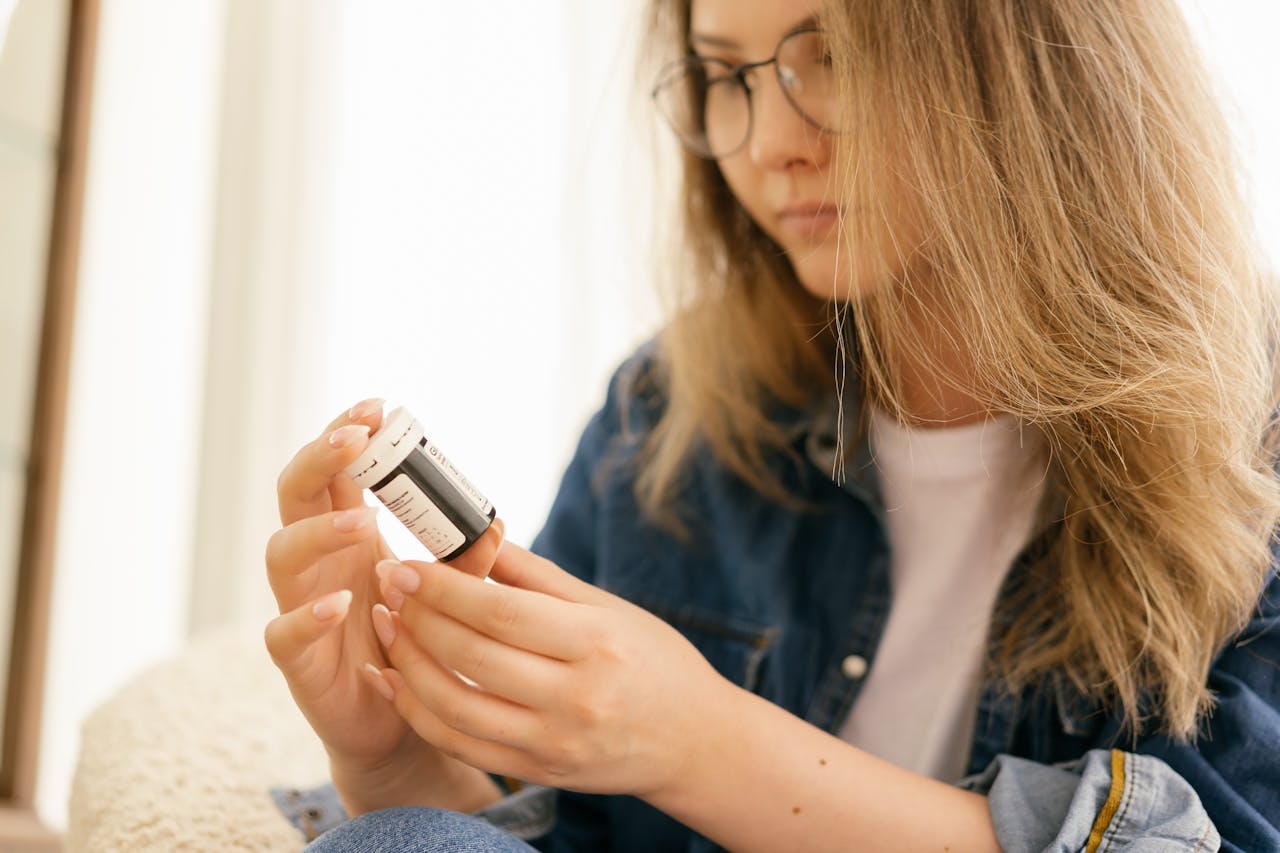
When reviewing a recall notice, compare it carefully with the product in your possession. Check the exact product name, brand, lot code, batch number, UPC code, expiration date, “best by” date, model number, serial number, manufacturing date, plant number, and company information.
This information may appear in different places depending on the product. On food, it may be printed near the barcode, seal, lid, bottom of the package, or expiration date. On appliances, tools, electronics, and medical devices, it may appear on a label, sticker, product insert, box, manual, or underside of the item.
If the recall notice includes photos, use them as a guide, but do not rely on images alone. Packaging can change, and similar-looking products may have different identifying codes.
Once you confirm your product matches the recall notice, what you do next depends on whether anyone was harmed.
What Should You Do if the Recalled Product Hurt You or Your Loved One?
If no one was injured, the recall notice may provide the instructions you need. It may tell you how to return the product, request a refund, obtain a replacement, schedule a repair, or dispose of the item safely.
If someone was injured or became ill, the situation is different. At that point, the product is not only something to remove from your home. It may also be evidence of what happened.
Stop using the product immediately. If it is food, do not eat it. If it is medication or a medical device, contact your doctor, pharmacist, or healthcare provider before making any change that could affect your treatment. If the product could create a fire, chemical, choking, poisoning, or electrical hazard, keep it away from children and others in the home.
If it is safe to do so, preserve the product and its packaging, along with the receipt, labels, instructions, warning inserts, photos, and any recall notice you received. If the injury required medical care or caused significant harm, and if you can safely preserve the item, do not clean, repair, alter, discard, or return the product before speaking with an attorney. At Sadaka Law, we review this evidence to understand how the product was identified, how the injury occurred, and what questions need to be investigated.
Write down what happened while the details are still fresh. Include when and where the product was purchased, how it was used, what went wrong, who was present, what symptoms or injuries occurred, and whether medical care was needed. Photographs of the product, packaging, injury, and scene may also be important.
Does a Recall Mean You Have a Product Liability Case?
Recall information can support a product liability claim, but it does not automatically prove one. The key question is whether the product was not reasonably fit, suitable, or safe for its intended purpose because of a defect or inadequate warnings or instructions, and whether that problem caused harm.
In New Jersey, a manufacturer or seller may be liable in a product liability action only if the claimant proves, by a preponderance of the evidence, that the product causing harm was not reasonably fit, suitable, or safe for its intended purpose because it deviated from design specifications, failed to contain adequate warnings or instructions, or was designed in a defective way.
For an injured person, that usually means the case turns on one of three issues. A manufacturing defect can occur when something goes wrong during production, assembly, packaging, or quality control. A design defect can mean the product was dangerous even when made according to its intended specifications. A failure-to-warn claim can involve missing, unclear, or inadequate safety instructions, risk disclosures, dosage information, or warning labels.
A recall can help identify the safety issue, affected products, prior complaints, reported injuries, and the company’s instructions to consumers. Still, it is only one piece of the investigation, which can also involve medical records, purchase records, testing data, corporate safety documents, regulatory filings, design history, manufacturing records, and scientific evidence.
That is why preserving the product matters. If the item is thrown away, repaired, returned, or altered too quickly, it can become harder to prove how the injury happened.
What if the Product That Hurt You Was Never Recalled?
A product may still warrant investigation even if no recall was ever issued. Some dangerous products injure people before a public warning is announced. Others are never formally recalled, even after consumers report problems.
The absence of a recall does not necessarily mean the product was safe. If a product malfunctioned during normal use, lacked proper warnings, caused unexpected harm, or exposed you to a serious health risk, the facts should be reviewed carefully.
In New Jersey, personal injury claims are generally subject to a two-year filing deadline, although exceptions can apply depending on the facts. Because deadlines and evidence issues can affect your rights, it is important to seek legal guidance as soon as possible after a serious injury.
Injured by a Recalled or Defective Product in New Jersey? We Can Help
A recalled product can leave you with difficult questions. Why was the product unsafe? When did the company learn about the danger? Were consumers warned quickly enough? What evidence should be preserved before it disappears?
At Sadaka Law, we represent individuals and families harmed by defective products, including unsafe consumer goods, toxic products, defective medical devices, and dangerous drugs. These cases often require more than a surface-level review of a recall notice. They may require careful investigation, scientific evidence, and a clear understanding of how companies design, test, market, distribute, label, and recall their products.
If you or your loved one was injured by a recalled or defective product in New Jersey, contact Sadaka Law to discuss your rights and legal options. We can help you understand what steps to take, what evidence to preserve, and what legal options may be available based on the facts of your claim.
Disclaimer: This blog is for informational purposes only and is not legal advice. Reading this article does not create an attorney-client relationship. If you need legal guidance, please contact our law firm directly.