

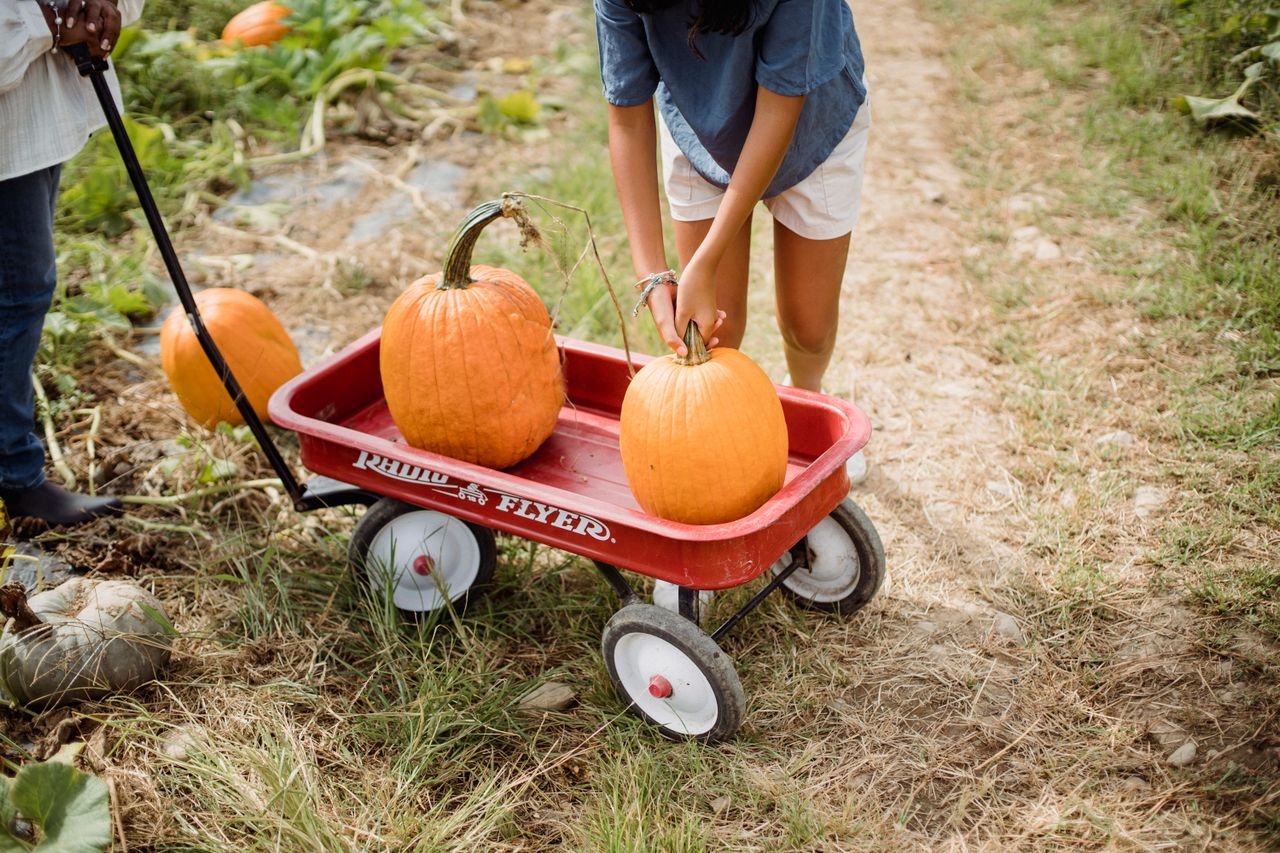
October weekends in New Jersey can mean pumpkin picking, corn mazes, hayrides, farm markets, haunted attractions, and fall festivals.
Most families arrive expecting a day outside with family or friends. If someone is seriously hurt, however, it may not be immediately clear what went wrong or who was responsible for the property, equipment, or attraction involved.
Maybe you fell while getting on or off a wagon. A railing gave way. A vehicle moved unexpectedly. Poor lighting concealed a hazard. Or a temporary walkway, step, or piece of equipment failed.
The fact that an accident happened at a farm or festival does not automatically make the operator responsible. Depending on what caused the injury, questions involving property conditions, equipment, attraction operation, and control can all become important. When a dangerous property condition contributes to an injury, those facts can also matter in a New Jersey premises liability claim.
Below, we explain what can matter after a hayride or fall-festival injury, who may have controlled the area or attraction, and why the type of activity involved can change the legal questions.
What Can Cause an Injury at a New Jersey Fall Festival?
Fall attractions can combine pedestrian areas, moving vehicles, temporary structures, farm terrain, equipment, and activities that visitors do not encounter every day.
A visitor could be hurt because of:
- A fall while boarding or exiting a hayride or wagon
- An unexpected movement of a tractor, wagon, or other vehicle
- A broken step, railing, bench, or platform
- Poor lighting on a walkway or loading area
- A hole, drop-off, or other condition that was difficult to see
- An overcrowded or poorly controlled boarding area
- Falling equipment or objects
- An improperly maintained mechanical attraction
- A collision involving a vehicle operating around pedestrian areas
For qualifying commercial farms, New Jersey's standards for on-farm direct marketing activities identify hayrides, wagon rides, corn mazes, farm tours, animal displays, and similar offerings as farm-based recreational activities. Those standards also address how hayrides and wagon rides are operated, including wagon condition, boarding and exiting, route planning, passenger distribution, operator experience, and speed.
That does not mean every injury at every farm or fall event is analyzed the same way.
The cause of the injury, the type of activity involved, the property or equipment involved, and the legal rules that apply to that particular setting can all affect the analysis.
Does Getting Hurt on a Hayride Automatically Mean Someone Was Negligent?
No.
An accident by itself does not establish negligence.
Some outdoor farm activities involve natural terrain, movement, animals, vehicles, and other conditions that are part of the setting. Whether a particular condition creates legal responsibility depends on the facts, including what caused the injury, whether a responsible party created the dangerous condition or knew or reasonably should have known about it, and what duties applied under the circumstances.
The legal questions become more specific when the injury is tied to a property condition, equipment problem, or decision about how an attraction was operated.
For example:
- Was a boarding platform unstable?
- Did a railing break?
- Did the operator move the wagon while someone was entering or exiting?
- Was there a dangerous condition in a walking area used by visitors?
- Was equipment being used despite a known problem?
- Was an area too dark for visitors to see a significant hazard?
- Did the person or business responsible for the area have a reasonable opportunity to discover and address the problem?
New Jersey injury claims involving farms and fall attractions can depend on several different legal questions, including who controlled the property or activity, what caused the injury, what the responsible party knew or should have known, whether payment or other consideration was required to participate in the recreational activity, and whether a specific statute or safety rule applies.
Those facts help determine what duty applied and whether someone failed to use the care required under the circumstances.
Who Was Responsible for the Area or Attraction?
A fall festival can involve more than the farm or property owner.
A separate company might operate an attraction. Another business might provide equipment. A vendor might control a particular area. A contractor could assemble a temporary platform, tent, or structure.
That does not mean every business at the event is responsible for an injury.
Instead, an investigation can ask:
- Who owned the property?
- Who controlled the area where the injury happened?
- Who operated the hayride or attraction?
- Who owned the equipment?
- Who inspected or maintained it?
- Who created the condition that caused the accident?
- Who knew, or reasonably should have known, about the problem?
Those distinctions become especially important at larger festivals where several independent businesses or vendors are operating at the same location.
Is a Hayride Treated the Same as a Carnival Ride?
Not necessarily.
The type of attraction involved matters.
New Jersey's standards for on-farm activities address hayrides and wagon rides on qualifying commercial farms. Separately, the New Jersey Department of Community Affairs regulates carnival and amusement rides and devices that fall within the state's ride-safety program, including requirements involving permits and inspections.
That means the name visitors use for an attraction does not necessarily tell you which rules apply. The particular device, how it operates, and the circumstances of the event can all matter.
Likewise, an injury caused by a broken walkway or poorly lit loading area raises different questions from an injury involving the operation or malfunction of a regulated amusement device.
Identifying exactly what was involved helps determine which records, regulations, and safety requirements should be examined.
What If Your Child Was Injured at a Fall Festival?
When a child is injured, details such as the child’s age, the activity involved, the instructions provided, the expected level of supervision, and the safety features in place can become especially important.
Important questions can include:
- Where was the child when the injury occurred?
- Was the area intended for children or families?
- What instructions were provided?
- Was adult or staff supervision expected?
- Was the child boarding or exiting an attraction?
- Was a barrier, railing, gate, or other safety feature involved?
- Did the attraction have age, height, or other participation restrictions?
A serious child injury can also have consequences that are not immediately apparent on the day of the accident, including time away from school, follow-up medical care, and longer-term physical or emotional effects.
That makes careful documentation especially important.
What Evidence Should You Preserve After an Injury?
Fall festivals change quickly.
Temporary structures come down. Signs move. Equipment is relocated. Hayrides and attractions operate throughout the day. Seasonal events can close entirely once October ends.
If you are injured, evidence from the scene can become important.
When circumstances allow, consider preserving:
- Photos or video of the exact area
- The condition that caused the injury
- Signs, barriers, warnings, or lighting
- The attraction or equipment involved
- Your ticket, wristband, receipt, or online confirmation
- The event name and operator
- Names and contact information for witnesses
- Any written incident report
- Medical records related to the injury
If staff members make a report, ask how you can obtain a copy.
You do not need to investigate the entire event yourself. The goal is to preserve the basic information that identifies what happened and where.
At Sadaka Law, we look closely at those details because they can help show how the injury happened and who controlled the area, equipment, or attraction involved.
What About Waivers or Warning Signs?
A ticket, online purchase, sign, or waiver can contain language about risk.
That language does not necessarily answer whether you still have a claim.
Whether a particular waiver or warning affects a claim depends on its wording, the circumstances, the person who was injured, and the type of conduct or hazard involved.
Similarly, a warning sign does not answer every question about an unsafe condition.
The relevant issue is what risk was involved, whether the warning actually addressed it, and what duty applied under the circumstances.
If you signed something before entering an attraction, keep a copy rather than assuming that it prevents you from asking further questions.
After a Serious Fall-Festival Injury, Make Sure the Full Circumstances Are Examined
A family outing can change quickly when someone suffers a broken bone, head injury, spinal injury, or another serious harm.
In the days afterward, you may know where the accident happened without knowing what condition, equipment, or decision contributed to it.
At Sadaka Law, we investigate serious injury cases by examining the property, attraction, equipment, records, witnesses, and the people or businesses responsible for the area involved. Our focus is on understanding how the injury happened, what the evidence shows, and which legal issues apply to the circumstances.
If you or your child was seriously injured on a hayride, at a farm attraction, or during a fall festival in New Jersey, contact Sadaka Law. We can review the circumstances, explain the legal issues that could apply, and help you understand the options available based on what happened.
Disclaimer: Results may vary depending on your particular facts and legal circumstances. The articles on this blog are for informational purposes only and are no substitute for legal advice or an attorney-client relationship. If you are seeking legal advice, please contact our law firm directly.