

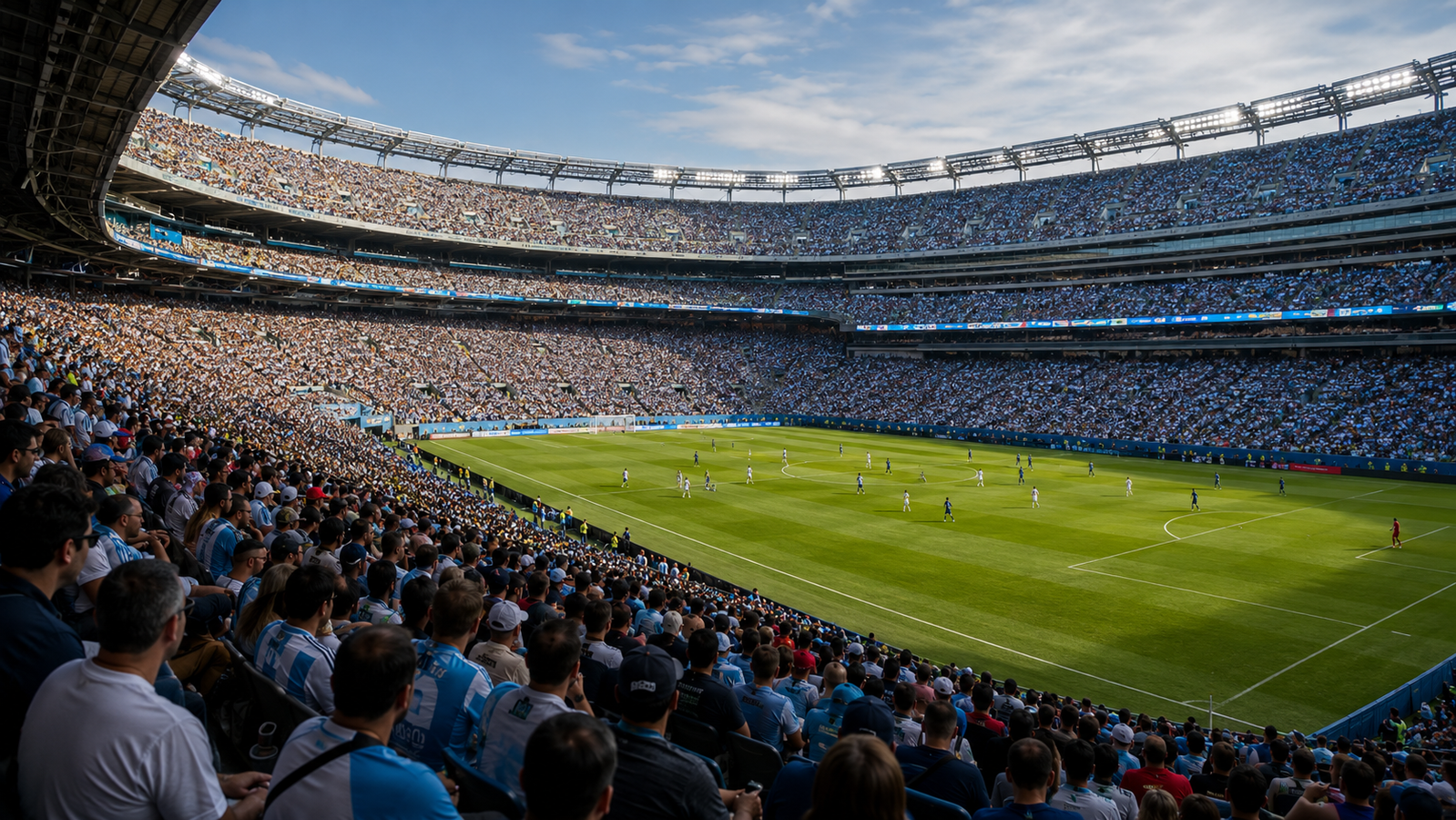
The 2026 World Cup at MetLife Stadium should be remembered for the energy of the match, the crowd, and the chance to be part of a global event. But if you or a loved one leaves East Rutherford hurt, shaken, or needing medical care after a fall, collision, crowd-control issue, security incident, or parking-area injury, the day can change very quickly.
Instead of replaying the match, you may be replaying the fall, the collision, the crowded exit from the stadium, or the moment you realized the injury was serious.
You may be dealing with pain, medical bills, missed work, travel complications, insurance calls, and one question that is hard to ignore: was this simply an accident, or did an unsafe condition, a crowd-control problem, or someone else’s carelessness contribute to what happened?
For visitors who traveled to New Jersey for the World Cup, the confusion can be even greater. You may be trying to get home, find follow-up medical care, communicate with insurance, or make sense of what happened while you are far from home.
At Sadaka Law, we know that injured people often have to make practical decisions before they have all the facts. A MetLife Stadium injury claim can be more complicated than it first appears, especially when the injury happens during a major event in the Meadowlands. The fact that you were hurt at MetLife Stadium does not automatically mean someone is legally responsible. But it also does not mean you should dismiss the injury before the circumstances are carefully reviewed.
In a New Jersey stadium injury claim, those details matter. They can help determine whether a claim may be available, who may be responsible, if anyone, and what evidence should be preserved before it becomes harder to find.
Hurt at MetLife Stadium? The Facts That Can Shape Your Claim
At a World Cup match, thousands of people move through the same gates, concourses, stairways, parking areas, shuttle routes, security checkpoints, and walkways within a short period of time. Some fans are local, while others are visiting from another state or another country. Many are focused on getting into the stadium, finding their seats, leaving with the crowd, locating transportation, or keeping family members together.
When someone is hurt in that environment, the legal question is not simply whether an injury occurred. The question is why it happened and whether reasonable steps could have reduced or prevented the danger.
Where the injury happened matters because it can change what needs to be reviewed. An injury in a seating section, concourse, restroom, stairway, escalator, parking lot, rideshare area, shuttle zone, or walkway near the stadium can involve different safety issues, records, and witnesses. A wet floor, broken handrail, crowd-control issue, parking-area collision, or security incident may each require its own review.
When we evaluate a stadium injury claim, we review how the injury happened, which individuals or entities had responsibility for the area or activity involved, what event records may exist, and how the injury has affected your life.
For example, a MetLife Stadium injury claim may depend on whether the injury involved an unmarked spill, poor lighting, an uneven walking surface, unsafe crowd movement, a parking lot hazard, a dangerous traffic pattern, a broken railing, or a security concern that should have been addressed. That review helps determine whether the evidence supports a claim under New Jersey law.
Why the First Few Days After a Stadium Injury Matter
After a serious injury at a major venue, the first few days can shape what information is available. That does not mean every case is won or lost immediately. It does mean that certain evidence can become harder to find as time passes.
Stadium-event evidence can be scattered across several systems. Surveillance footage may be overwritten. Witnesses may leave New Jersey or return to another country. Event staff may move on to the next match, venue, or assignment. Parking, rideshare, shuttle, security, medical, police, and incident records may be held by different companies, contractors, agencies, or event personnel.
This is where prompt legal guidance can help bring structure to the situation. When we get involved early, our goal is to move quickly, organize what needs to be reviewed, and help reduce the confusion around what should happen next. Early legal review can help identify which records may exist, who may have access to them, and what steps may be needed to preserve evidence before it becomes harder to locate.
Organizing the claim early can help injured people and their families understand what needs to happen. When you are hurt, you should not have to guess about the process, wonder who is looking out for your interests, or try to untangle legal issues alone while you are still recovering.
Who Could Be Responsible for an Injury at a World Cup Game?
One of the most stressful parts of a stadium injury is not knowing who should be contacted, what insurance coverage may apply, or whether anyone will take your situation seriously. At a major event, the investigation may involve more than the first employee, vendor, driver, or insurance representative you speak with afterward.
The investigation often starts with control. Who controlled the seating section, concourse, stairway, parking area, rideshare zone, shuttle route, security checkpoint, or walkway where the injury happened? Who had the ability to inspect it, address the danger, warn visitors, direct traffic, manage crowd flow, provide security, or keep the area reasonably safe?
Depending on the facts, that review may involve a stadium operator, property owner, event organizer, maintenance company, cleaning contractor, security provider, transportation company, parking operator, rideshare driver, shuttle operator, vendor, public agency involved in transportation or traffic control, or another person or organization connected to the area or activity involved.
That does not mean every injury involves multiple defendants. It means the investigation should be careful enough to determine who had responsibility for the area, who had the ability to address the danger, and what coverage may apply.
As North Jersey personal injury lawyers, we understand the insurance layers that can exist in serious and complex injury cases. We do not stop with the most obvious explanation of what happened. We investigate responsibility, available coverage, relevant records, and how those pieces fit together.
Why Your Injury Can Become More Complicated After You Leave the Stadium
Some stadium injuries are immediately obvious. Others become more serious after you leave the venue, start traveling home, or wake up the next day with worsening symptoms. Pain that felt manageable at the stadium can become harder to ignore when you are back at a hotel, traveling home, or trying to return to work.
Examples of injuries that may arise from a stadium-related incident include:
- Fractures
- Concussions and other head injuries
- Neck and back injuries
- Knee, ankle, or shoulder injuries
- Torn ligaments
- Spinal cord injuries
- Pedestrian injuries in parking lots, traffic areas, or shuttle zones
- Injuries connected to assaults or possible negligent security issues
- Injuries caused by falls on stairs, ramps, escalators, or uneven surfaces
If you traveled for the World Cup, symptoms can be even more stressful because you may be away from your regular doctors, your home, or your normal support system.
That is one reason medical documentation matters. If you were hurt, getting appropriate care can help protect your health and create a clearer record of your symptoms, diagnosis, and treatment. Medical records can help show the diagnosis, treatment, limitations, and long-term effects of an injury. That clearer picture can help show what you have been through and how the claim should be evaluated.
Evidence That Can Help Clarify a MetLife Stadium Injury Claim
Evidence helps turn a confusing incident into a more complete picture. It can clarify where the injury occurred, what conditions existed, who may have information, and how the harm has affected your life.
When we review a MetLife Stadium injury claim, helpful evidence can include:
- Photos or videos of the hazard
- The exact location of the injury
- Witness names and contact information
- Incident reports
- Security or police reports
- Medical records
- Surveillance footage
- Maintenance or cleaning records
- Records of prior complaints or similar incidents, if they exist
- Ticket, parking, rideshare, shuttle, or transit records
- Communications with stadium staff, event staff, police, medical providers, or insurers
Even if you did not gather evidence at the scene, you should not assume there is nothing left to review. Many people are in pain, overwhelmed, caring for children, trying to get home, or focused on emergency care. We understand that. You should not be expected to gather every detail in that moment. Our role is to determine what can still be obtained and how that evidence may help clarify the claim.
What to Do After Being Hurt at MetLife Stadium
Your health comes first. If you or a loved one is hurt at a World Cup game, seek medical attention as soon as possible. Report the injury to stadium staff, security, police, or medical personnel, depending on what happened. Ask how to obtain confirmation that a report was made.
If you can do so safely, take photos or videos of the area, the hazard, your injuries, lighting conditions, warning signs, damaged belongings, and your shoes or clothing if they may help explain the incident. Save your ticket, parking pass, rideshare receipt, shuttle record, transit record, and any messages about the incident.
Before giving a recorded statement to an insurance company, it is wise to understand why the statement is being requested and how it could be used. Insurance representatives may be polite and professional, but they are usually gathering information for the insurer. Your priority is to heal, protect your family, and make informed decisions. Our role is to help you understand your rights, risks, and next steps before you make important decisions.
It is also important not to wait too long to ask legal questions. New Jersey injury claims are subject to deadlines, and some claims involving public entities or public employees may involve special notice rules. Speaking with a personal injury attorney early can help you understand which deadlines or procedures may apply to your situation.
How Sadaka Law Builds Serious Injury Claims
At Sadaka Law, serious injury claims are built through careful investigation, organized evidence, medical proof, and legal strategy. Our firm serves injured clients across New Jersey in serious personal injury, premises liability, defective product, and complex litigation matters.
Our team brings decades of combined legal experience, including work in personal injury, mass torts, defective product cases, vaccine injury claims, and other complex litigation. Our firm has recovered more than $100 million for clients, while recognizing that every case depends on its own facts, evidence, injuries, insurance coverage, and legal issues.
Serious injury claims require more than broad promises to “fight hard.” They require careful investigation, organized records, insurance analysis, and litigation readiness. When needed, we prepare cases for the possibility of trial rather than relying on an insurance review to tell the full story.
That matters in a stadium injury claim because large venues and event-related defendants may have their own systems, reports, insurers, and defense teams. Having legal guidance can help injured people understand the process, reduce confusion, and make informed decisions when a claim does not have clear answers.
Talk to Sadaka Law About a MetLife Stadium Injury Claim
After a serious injury at a major event, it can be difficult to know what matters, who to contact, and what steps to take first. That is why it helps to speak with a legal team that knows how to evaluate serious injury claims and move quickly to preserve important evidence.
When you speak with Sadaka Law, we can help you understand whether the facts may support a claim, what information should be reviewed, and what deadlines may apply. If we can help, we will explain how. If we cannot accept the case, our goal is still to give you honest direction and a clearer path forward.
Contact Sadaka Law for a free consultation if you have questions after a World Cup injury at MetLife Stadium. We can review what happened, identify the records that may matter, and explain how New Jersey law may apply. You can use our contact form to speak with a North Jersey premises liability lawyer.
Disclaimer: The articles on this blog are for informational purposes only and do not provide legal advice or create an attorney-client relationship. If you are seeking legal advice, please contact our law firm directly.