

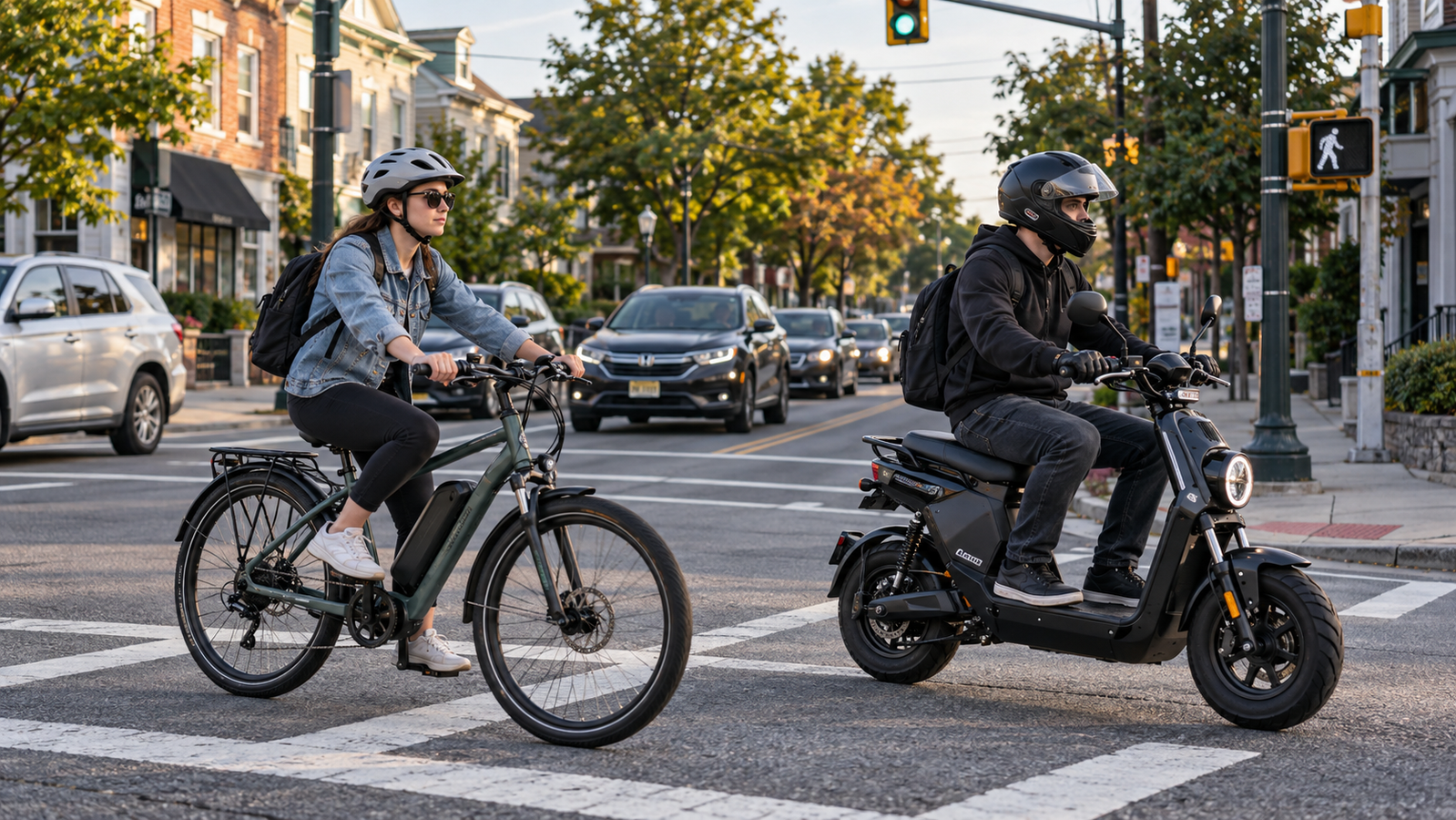
Electric bikes have become increasingly popular, but there is something people need to understand: not all electric bikes are created equal. And when it comes to safety, the differences matter.
I've posted extensively about e-bikes and the changing laws in New Jersey. As a personal injury attorney, I've seen the consequences of these vehicles being used without adequate safety measures, and I believe we need to take a serious look at how they are regulated.
Understanding how different electric two-wheelers are designed and operated is also important when examining the causes of e-bike accidents.
Not Every E-Bike Is the Same
When electric bikes first started gaining popularity, many were designed to help people pedal uphill, travel longer distances, and get around more easily. These lower-speed models could be especially helpful for older adults and people with disabilities or mobility limitations.
Those benefits are real, and we shouldn't lose sight of them.
But today, many electric two-wheelers can travel at speeds of 30 miles per hour or more. Depending on their design, capabilities, and classification under the law, some may be closer to mopeds or motorcycles than traditional bicycles.
That distinction matters because higher speeds can mean more severe injuries when something goes wrong.
I've Seen the Consequences Firsthand
This isn't just a theoretical concern for me.
My own son has had these vehicles, and I've seen how fast they can go. I've also seen his friends get hurt.
I've seen reports of e-bike recalls, too, raising serious questions about product safety and the responsibility of manufacturers and sellers.
When young people are riding powerful electric vehicles, we need to ask ourselves whether the products they're using are safe, whether they understand the risks, and whether the rules adequately address the dangers.
The Problem With Unsafe Products
The rapid growth of the e-bike market has brought an enormous range of products to consumers, including inexpensive models sold online.
But what happens when a product is defective or recalled? What happens when a child is seriously injured, and the manufacturer or seller is located overseas?
Holding a foreign company accountable can be complicated. Even when a consumer has a legitimate product liability claim, pursuing it across international borders can create significant legal and practical challenges.
Online marketplaces also raise important questions about how recalled products remain available to consumers and what safeguards should be in place to prevent that from happening.
Parents shouldn't have to wonder whether the electric vehicle their child is riding is safe, properly manufactured, or subject to a recall.
Consumers need better access to safety information, and manufacturers and sellers must be held accountable when their products put people at risk.
Why New Jersey E-Bike Regulations Matter
As e-bike use grows, New Jersey faces an important challenge: how do we preserve the benefits of electric bicycles while addressing the risks posed by faster, more powerful vehicles?
New Jersey has already taken steps to address these concerns. Under legislation enacted in January 2026, the state established new licensing, registration, and safety requirements for electric bicycles and motorized bicycles. But questions remain about high-powered vehicles, defective products, and whether existing safeguards adequately protect riders and the public.
Continued oversight can help ensure that these classifications remain appropriate as electric vehicle technology evolves and that safety requirements reflect what different vehicles are capable of.
The goal should be to protect riders, pedestrians, drivers, and especially children without unnecessarily restricting people who rely on lower-speed electric bicycles for transportation or mobility.
This is not about treating every e-bike as inherently dangerous. It's about recognizing that a small pedal-assist bicycle and a high-powered electric vehicle capable of motorcycle-like speeds do not present the same risks.
The law needs to reflect those differences.
The Bottom Line: Safety Has to Come First
I've seen the injuries. I've seen how fast these vehicles can travel. And I've seen why product safety and accountability matter.
We cannot ignore the risks simply because electric bikes are popular.
We need sensible regulations, responsible manufacturing, better oversight of recalled products, and meaningful accountability when unsafe products cause harm.
Electric bikes can serve a valuable purpose. But when a vehicle has the power and speed to create serious risks, we need to make sure the appropriate safety standards are in place.
This is about protecting our children and our communities. Safety has to come first.
At Sadaka Law, we represent individuals and families who have suffered injuries, including those involving defective products. I believe understanding these risks is an important part of protecting New Jersey families.
If you or your child has been injured in an e-bike accident or because of a potentially defective product, contact Sadaka Law to discuss your situation and legal options.
Disclaimer: The articles on this blog are for informational purposes only and are no substitute for legal advice or an attorney-client relationship. If you are seeking legal advice, please contact our law firm directly.