

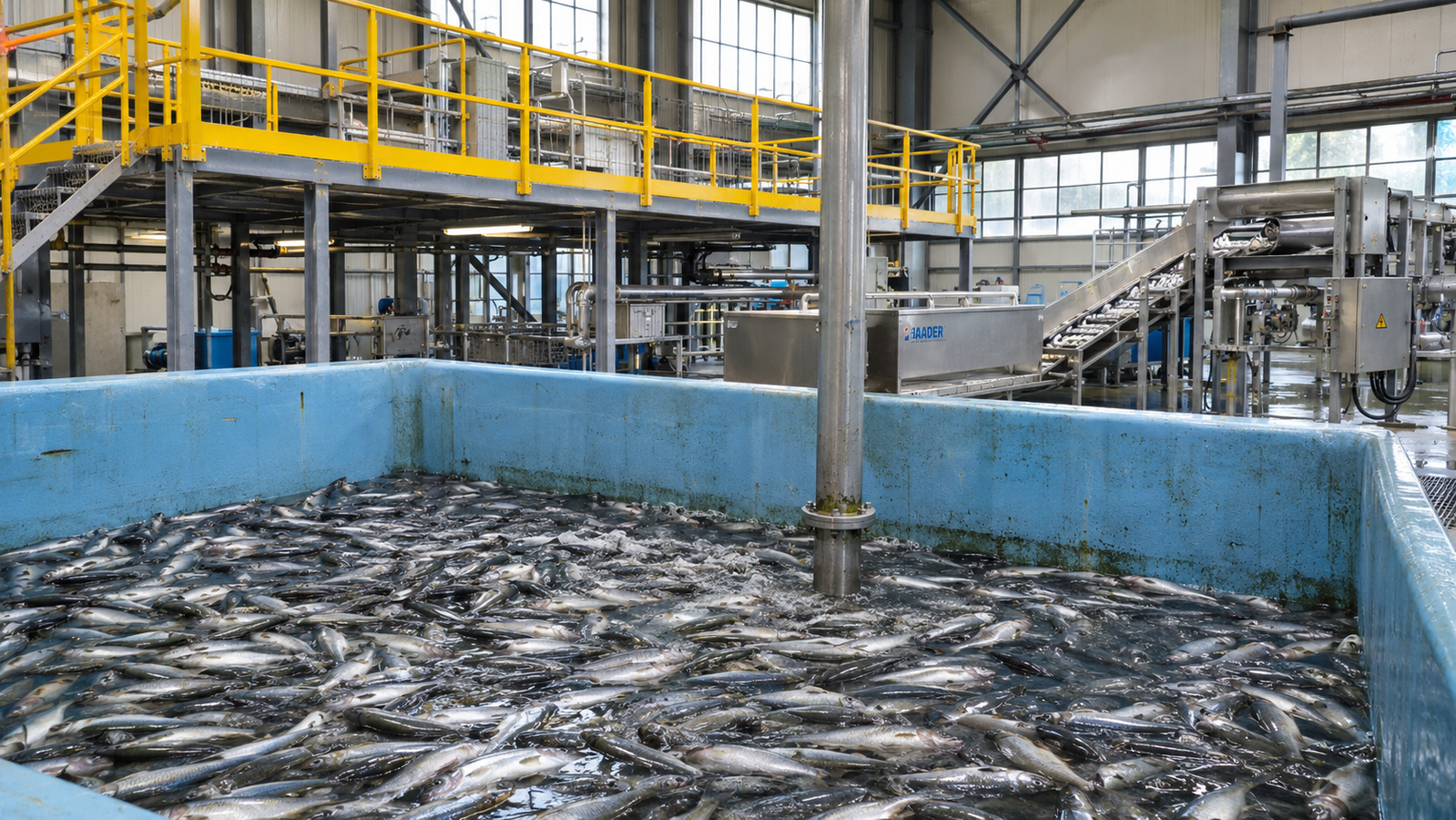
Seafood is a staple in diets around the world, but a recent investigation has raised questions about the chemicals used to produce some of the fish we eat. According to Inside Climate News, ethoxyquin, an antioxidant originally used to prevent fishmeal from spontaneously combusting during transportation, has also been used in animal feed, including feed for farmed fish. This raises concerns about potential chemical exposure through the seafood supply chain.
The investigation, published October 14, 2026, by journalist Ian Urbina as part of The Outlaw Ocean Project, examines the history of ethoxyquin, its potential health risks, and the differences in how countries regulate its use.
The findings highlight broader questions about food safety, environmental protection, and whether consumers have enough information about the substances used in food production.
What Is Ethoxyquin, and Why Was It Used?
Ethoxyquin was introduced as a solution to a serious problem in the fishmeal industry. Fishmeal, made by drying and grinding fish into a powder, can generate heat as it oxidizes and deteriorates. Under certain conditions, this process can lead to spontaneous combustion.
During the 1950s through the 1970s, fishmeal was linked to numerous ship, warehouse, and plant fires. These incidents created significant risks for workers, shipping companies, and cargo operators.
In 1967, American feed producer Cargill announced ethoxyquin as a solution. The synthetic antioxidant helped slow oxidation in fishmeal, reducing the risk of fires during storage and transportation. According to the Inside Climate News investigation, reported ship fires declined substantially after the chemical came into use.
By 1976, the U.S. Coast Guard had imposed mandatory ethoxyquin treatment for fishmeal shipments, and an international maritime body later recommended its use to prevent spontaneous combustion.
However, the chemical's usefulness in preventing fires raised a different concern: its potential effects on human health and the environment.
What Are the Health Concerns Associated With Ethoxyquin?
Researchers have investigated ethoxyquin's potential toxicity for decades. The Inside Climate News report describes studies involving laboratory animals that identified harmful effects at high exposure levels, including findings that raised concerns about possible carcinogenic effects.
Another concern involves p-phenetidine, an impurity associated with ethoxyquin. In 2015, the European Food Safety Authority identified concerns about this impurity's potential to cause mutations in genetic material.
These findings contributed to increased scrutiny of the chemical and its use in animal feed.
However, an important distinction remains between identifying a potential hazard and establishing the level of risk to people who consume seafood. The available evidence does not establish that eating farmed seafood raised on ethoxyquin-treated feed necessarily causes cancer or other illnesses in humans.
In its 2022 reassessment, the European Food Safety Authority noted that a lack of data on p-phenetidine in animal tissues and food products prevented it from reaching a conclusion about consumer safety. It also indicated that potential contamination through aquatic food chains could not be ruled out in certain circumstances.
These uncertainties demonstrate why ongoing research, residue testing, and transparent reporting are important when evaluating chemicals used in food production.
How Is Ethoxyquin Regulated Around the World?
Countries have taken different approaches to regulating ethoxyquin, reflecting concerns about its safety and the available scientific evidence.
In 2017, the European Commission suspended authorization for ethoxyquin as an animal-feed additive throughout the European Union. In 2022, the Commission formally denied its authorization. The chemical is also banned in the United Kingdom and several European Economic Area countries, including Norway, Iceland, and Liechtenstein.
In the United States, however, ethoxyquin remains permitted in animal feed within applicable regulatory limits. The chemical is also permitted under limits in countries such as Australia, Japan, and South Korea, according to the investigation.
These differences raise questions about how governments assess emerging scientific evidence and determine acceptable levels of chemical exposure.
A substance being permitted in one country does not mean every potential risk has been eliminated. Likewise, a restriction in another country does not establish that every level of exposure presents the same degree of danger.
For consumers, these regulatory differences can make it difficult to understand what chemicals may be involved in producing their food and what safeguards are in place.
Could Ethoxyquin Enter the Seafood We Eat?
The potential connection between ethoxyquin and seafood is particularly important because of the widespread use of fishmeal and fish oil in aquaculture.
More than half of the seafood consumed worldwide now comes from fish farms, according to the Inside Climate News investigation. Many farmed species rely on feed containing fishmeal and fish oil, making the substances used during feed production relevant to food safety.
When ethoxyquin is added to fishmeal or animal feed, questions arise about whether residues or related compounds may remain in the feed and potentially enter the food chain.
However, determining whether this creates a meaningful health risk requires more than establishing that the chemical is used in production. Researchers must also understand whether residues remain in edible fish tissue, at what concentrations, and what those levels could mean for consumers over time.
The investigation highlights gaps in monitoring and testing that make these questions particularly important.
For example, the report states that Canada's Food Inspection Agency requires certain feeds containing ethoxyquin to carry labeling indicating compliance with legal limits. However, the agency does not specify how it tests for the chemical in feed, and inspectors do not routinely check whether ethoxyquin ends up in seafood itself, according to the agency's 2022 food inspection report.
The investigation also cites a 2024 European Union audit that found the Canadian agency completed only about 40% of its planned inspections, identifying significant shortcomings in seafood product testing.
These findings raise broader concerns about whether monitoring systems adequately track chemicals throughout the food supply chain.
Food Labels, Sustainability, and Consumer Transparency
Ethoxyquin has also become part of legal disputes involving how seafood products are marketed.
According to Inside Climate News, several lawsuits have alleged that seafood companies used sustainability-related marketing claims despite concerns about ethoxyquin in their products.
In 2022, a New York resident filed a class-action lawsuit against Aldi, alleging that its Atlantic salmon products were falsely labeled as sustainable. The complaint referenced concerns about ethoxyquin and its potential environmental effects. The case was settled out of court.
That same year, New York and California residents sued Gorton's over claims that its frozen tilapia was marketed as sustainably sourced despite containing ethoxyquin. That case was also settled out of court.
These settlements should not be interpreted as proof that the allegations were established in court. Nevertheless, the cases illustrate the questions that can arise when consumers rely on product labels to understand how their food is produced.
Terms such as "sustainable" and "responsibly sourced" may communicate information about environmental practices, but they do not necessarily tell consumers which additives were used in animal feed or what chemical testing was performed.
Clearer disclosures and more consistent monitoring could help consumers make informed choices and better understand the limitations of the information available to them.
Are There Safer Alternatives to Ethoxyquin?
The seafood and animal-feed industries have increasingly explored alternatives to ethoxyquin. These include natural antioxidants such as rosemary extract and vitamin E compounds, which can help preserve feed and reduce oxidation.
Cargill told Inside Climate News that it had assessed alternative antioxidants since 2005 and no longer uses ethoxyquin in its global salmon-feed business or in markets where the chemical is not authorized for aquafeed.
However, the transition to alternative chemicals raises its own questions.
The investigation identifies butylated hydroxyanisole, commonly known as BHA, as a widely used alternative because of its cost and antioxidant properties. Yet BHA has also raised toxicological concerns. The U.S. National Toxicology Program identified it as reasonably anticipated to be a human carcinogen in 1991, and the U.S. Food and Drug Administration announced a reassessment of its safety as a food additive in February 2026.
This highlights an important issue: replacing one chemical with another does not automatically eliminate potential risks. Alternatives must also be evaluated for their safety, effectiveness, and environmental impact.
Ultimately, the goal should be to identify methods that protect workers and prevent dangerous fires while minimizing risks to human health and the environment.
What Does This Mean for Seafood Consumers?
The findings surrounding ethoxyquin do not mean that all farmed seafood is unsafe or that consumers should assume they have been harmed by eating it. The actual risk associated with exposure remains uncertain and depends on factors such as chemical concentrations, exposure levels, and the available scientific evidence.
Nevertheless, the investigation raises legitimate questions about how chemicals are evaluated, monitored, and disclosed throughout the seafood supply chain.
Consumers should be able to trust that food safety standards are based on reliable scientific evidence and that appropriate measures are taken when potential risks are identified. This includes evaluating the substances used in animal feed, testing for relevant residues, and providing accurate information about production practices.
The issue also demonstrates why transparency matters. When regulators and consumers lack sufficient information about chemical exposure, it becomes more difficult to evaluate potential risks and determine whether additional safeguards are necessary.
As global seafood production continues to expand, careful oversight of feed additives and their potential effects on human health and the environment will remain important.
Food Safety, Consumer Protection, and Accountability
The story of ethoxyquin illustrates how a chemical introduced to solve one industrial problem can create new questions about food safety and environmental protection. While the antioxidant helped reduce the risk of fishmeal fires, concerns about its potential toxicity, environmental effects, and possible presence in the seafood supply have prompted regulatory restrictions and continued scientific scrutiny.
The central questions are not simply whether a chemical is useful or permitted. They are whether its risks are adequately understood, whether appropriate safeguards are in place, and whether consumers receive accurate information about the products they purchase.
At Sadaka Law, we recognize the importance of investigating potential harm, examining the available evidence, and evaluating whether companies may be held accountable when their conduct causes injury.
If you have concerns about a potential injury involving a product or chemical exposure, understanding the circumstances and your available legal options may be an important first step.
Contact Sadaka Law today to discuss your concerns and learn whether you may have grounds for a legal claim.
Disclaimer: The articles on this blog are for informational purposes only and are no substitute for legal advice or an attorney-client relationship. If you are seeking legal advice, please contact our law firm directly.