

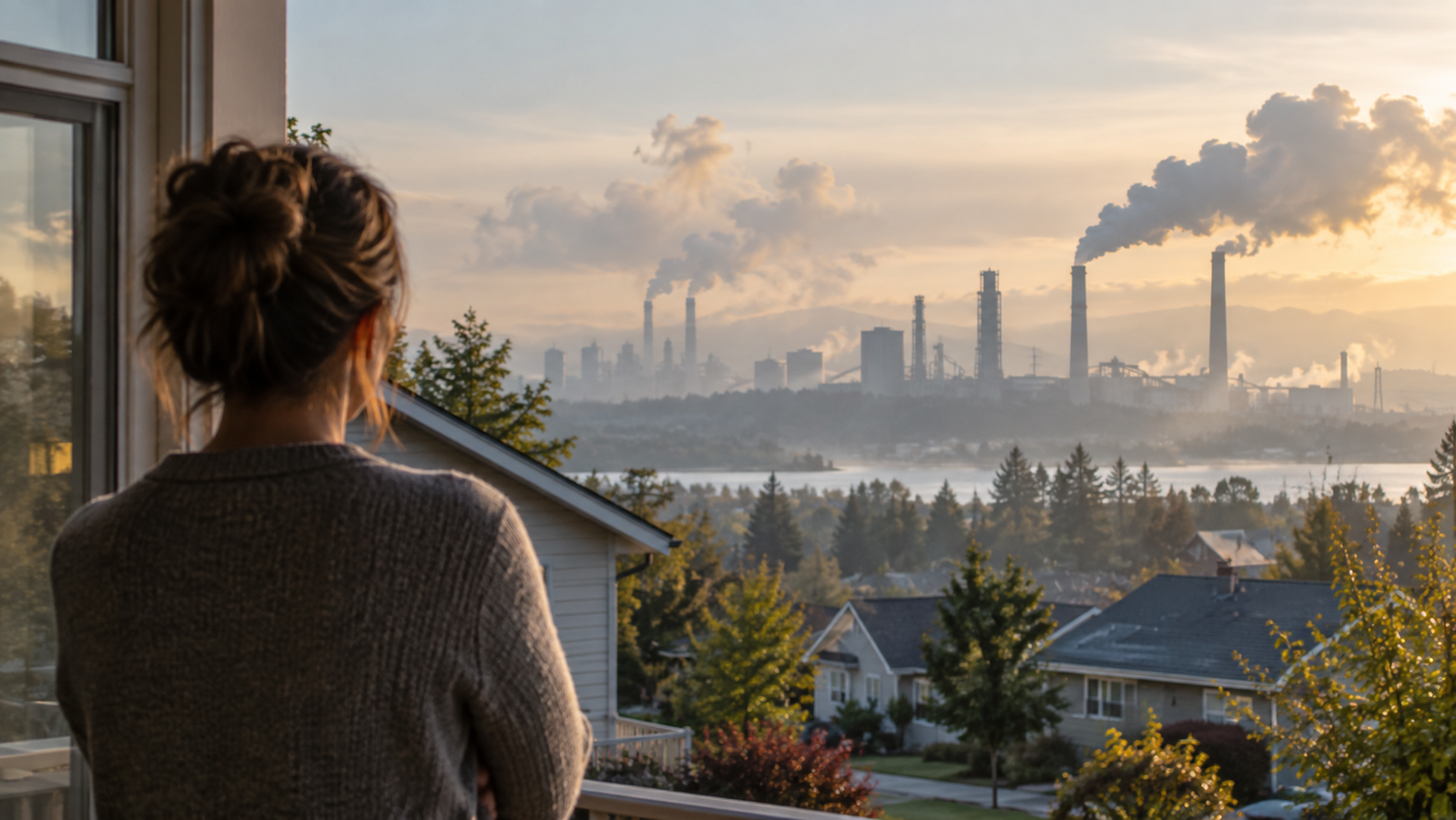
What if the air around your home, workplace, or child's school was making you sick, and you did not know what was causing it?
When most people think about personal injury lawsuits, they picture car accidents, slip-and-fall injuries, or workplace accidents. But some of the most serious injuries can develop silently, sometimes over months or even years, because of exposure to toxic substances in the environment.
Unlike an accident that causes an immediate injury, toxic air exposure can go unnoticed until serious health problems begin to develop. By then, identifying the source of the exposure and determining who may be responsible can be an enormous challenge.
Where Does Toxic Air Exposure Come From?
Air pollution isn't limited to smog or exhaust fumes. Harmful chemicals and airborne particles can originate from numerous sources, sometimes in places where people live, work, and send their children to school.
Common sources of potentially harmful air pollution include:
- Industrial facilities: Factories, refineries, and manufacturing plants that release hazardous chemicals into the atmosphere.
- Construction and demolition sites: Airborne asbestos, silica dust, and other potentially dangerous particles.
- Landfills and waste facilities: Chemical emissions and gases associated with waste disposal.
- Power plants: Emissions containing particulate matter, sulfur dioxide, and other pollutants.
- High-traffic areas: Diesel exhaust and other vehicle emissions near major highways, trucking routes, and distribution centers.
- Chemical spills and releases: Accidental or improper releases of hazardous substances that contaminate surrounding communities.
People living or working near these sources may experience repeated exposure without knowing which substances are present or whether their exposure levels are dangerous.
The Hidden Danger: Health Effects May Not Appear Right Away
One of the most concerning aspects of toxic air exposure is that its health effects aren't always immediate.
Depending on the substance, concentration, duration of exposure, and individual risk factors, certain airborne pollutants have been associated with respiratory illnesses, neurological problems, some cancers, and other serious health effects.
Some individuals experience coughing, headaches, or breathing difficulties shortly after exposure. Others may not develop noticeable symptoms until years later.
This delay can make it difficult to recognize a possible connection between an illness and environmental contamination.
For example, someone who has lived near an industrial facility for decades may develop a serious respiratory condition without ever suspecting that emissions from the facility could have contributed to their illness.
However, living near a potential pollution source does not automatically establish that an illness was caused by toxic exposure. Identifying the substance, measuring or reconstructing exposure, and evaluating other possible causes are essential parts of investigating these cases.
Why Are Toxic Exposure Lawsuits So Complicated?
Toxic exposure cases are among the most scientifically demanding types of personal injury litigation.
Environmental exposure cases can involve years of contamination, multiple potential sources, and complex questions about how a particular substance may be connected to an individual's health condition.
Successfully pursuing a claim may require several forms of evidence.
1. Environmental Testing
Air, soil, or water samples may help identify hazardous substances and determine whether contamination occurred. Historical monitoring data can also be important when the suspected exposure happened years earlier.
2. Medical Evidence
Medical records and qualified medical experts can help evaluate whether an individual's condition is consistent with exposure to a particular substance and whether the available evidence supports a causal connection.
3. Scientific Expertise
Environmental scientists, toxicologists, epidemiologists, and other specialists may be needed to evaluate exposure pathways, potential health effects, and the strength of the scientific evidence.
4. Regulatory and Corporate Records
Environmental permits, emissions reports, inspection records, regulatory violations, and internal company documents may help establish what a facility released, what its operators knew, and whether applicable safety requirements were followed.
5. Establishing Responsibility
Even when contamination and illness are documented, a lawsuit generally must establish the applicable legal basis for holding a particular party responsible.
That can involve demonstrating how the exposure occurred, connecting it to the alleged injuries, and establishing negligence or another recognized basis for liability.
Who Can Be Held Accountable for Toxic Air Pollution?
Depending on the circumstances, potentially responsible parties may include industrial operators, manufacturers, waste management companies, contractors, property owners, or other entities involved in releasing or improperly handling hazardous substances.
A regulatory violation may provide important evidence, but it does not automatically establish liability in a personal injury lawsuit. Likewise, a facility's compliance with environmental regulations does not necessarily resolve every potential legal claim.
Each case requires a careful investigation of the facts, applicable laws, and available scientific evidence.
What Should You Do if You Suspect Toxic Air Exposure?
If you believe pollution near your home, workplace, or child's school may be affecting your health, taking steps to document your concerns can be important.
Seek appropriate medical attention and tell your healthcare provider about any suspected environmental exposure. Keep records of symptoms, medical visits, and relevant diagnoses. Preserve any available information about nearby pollution sources, unusual odors, chemical releases, or environmental notices.
In New Jersey, you can report suspected environmental incidents or complaints to the New Jersey Department of Environmental Protection. The Environmental Protection Agency also accepts reports of suspected environmental violations.
If you believe you have suffered an injury because of toxic exposure, consulting an attorney who handles environmental litigation can help you understand whether further investigation is warranted. Legal deadlines may apply, even when an illness develops long after the initial exposure.
Fighting for Cleaner Air and Accountability
Everyone deserves access to clean air and an environment free from preventable toxic contamination.
At Sadaka Law, we understand that environmental injury cases require more than traditional personal injury litigation experience. They demand scientific rigor, extensive investigation, and collaboration with qualified experts who can evaluate complex environmental and medical evidence.
Our work involves cases concerning contamination of the air, water, and land. We recognize the challenges individuals and families face when they suspect that environmental toxins have contributed to serious health problems.
Concerned about toxic exposure?
If you or a loved one has developed a serious illness that you believe may be connected to environmental contamination, contact Sadaka Law to discuss your situation and learn more about your legal options.
Disclaimer: The articles on this blog are for informational purposes only and are no substitute for legal advice or an attorney-client relationship. If you are seeking legal advice, please contact our law firm directly.