

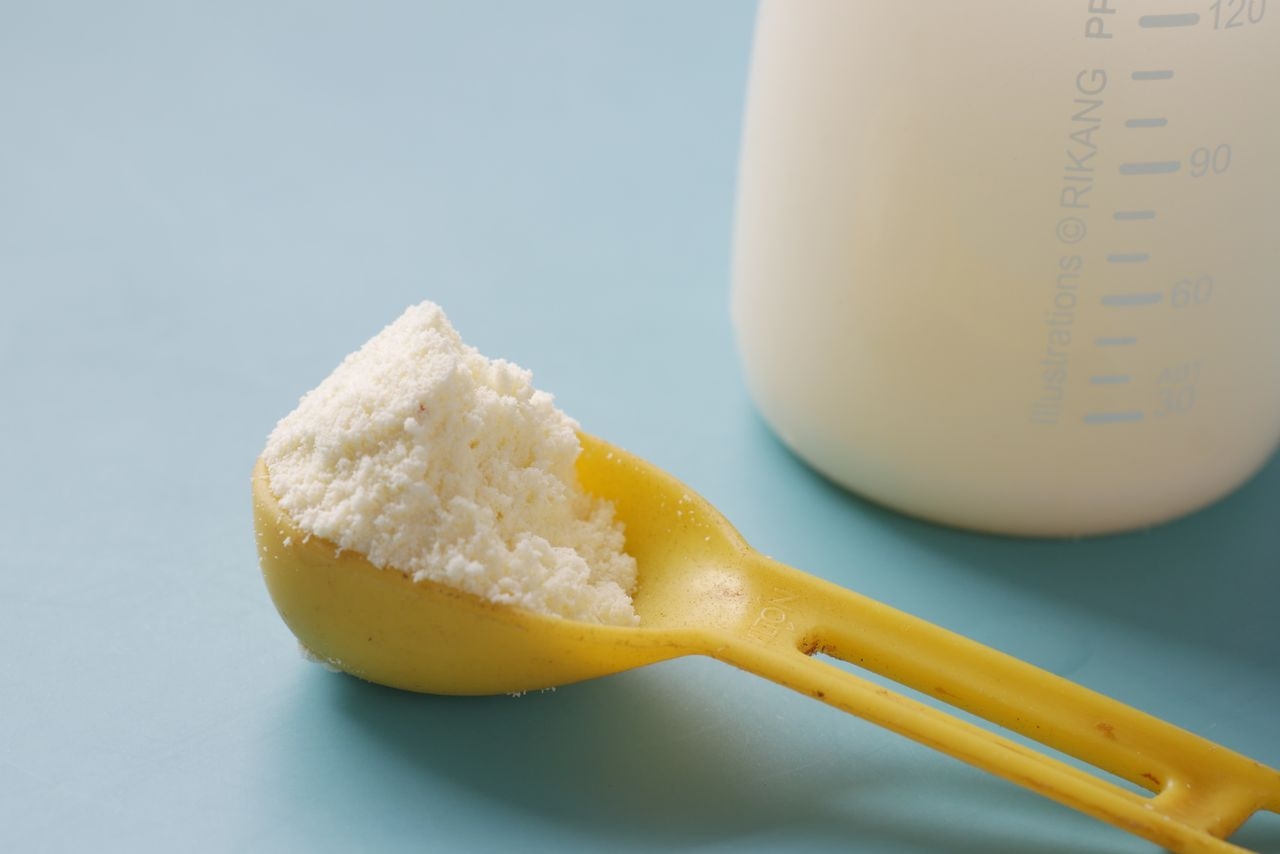
You may have received a recall alert from Target, seen the warning online, or looked at the can in your kitchen and realized that the formula you have been feeding your baby is included in the Nara infant formula recall.
Your first concern is your child’s health. You want to know whether to stop using the formula, which changes require medical attention, and what to do with any recalled product still in your home.
The recall applies nationwide, and the federal investigation remains open. Parents and caregivers should stop using Nara Organics Whole Milk Organic Infant Formula. This article explains what investigators have reported and what families should do after a baby has consumed the recalled formula.
Why Was Nara Infant Formula Recalled?
On June 13, 2026, Nara Organics recalled all lots of its Whole Milk Organic Infant Formula after federal and state health officials began investigating a multistate outbreak of infant botulism. The recall covers all of the company’s infant formula currently on the market, rather than one production lot or package size.
As of the CDC’s July 6 update, four infants in California, Pennsylvania, and Washington had laboratory-confirmed infant botulism. All four had consumed Nara formula, were hospitalized, and received BabyBIG treatment. No deaths had been reported.
Public-health testing identified Clostridium botulinum bacteria in one opened can of Nara formula that had been fed to one of the infants. In its July 6 update, the CDC reported that the FDA was testing an unopened sample from the same lot and that additional product testing remained underway.
The CDC states that the available outbreak data show the formula might have been contaminated and might have made the infants sick. Federal officials continue to investigate how the illnesses may be connected to the formula. They have not reported that every recalled can contained the bacteria.
What Should You Do if Your Baby Consumed Recalled Nara Formula?
Stop feeding the formula to your baby, even if your child currently appears healthy.
Wash bottles and other preparation items that may have touched the formula with hot, soapy water or clean them in a dishwasher. Clean counters and other affected surfaces as well.
If your baby has no symptoms, watch your child for one month after the last feeding. The CDC recommends that monitoring period because symptoms can take several weeks to develop.
Seek immediate medical care if your baby develops any of the warning signs described below. Tell the provider that your child consumed recalled Nara infant formula and provide the approximate dates it was used.
Do not delay medical care while trying to contact the manufacturer, submit an FDA report, or explore a potential legal claim. The CDC advises obtaining medical attention before submitting an illness report to the FDA.
What Symptoms of Infant Botulism Should You Watch For?
Infant botulism is a rare but serious illness that can develop when a baby swallows spores of Clostridium botulinum bacteria. The bacteria can grow in an infant’s intestinal tract and produce a toxin that affects the nerves and muscles.
Constipation can be an early symptom. Other warning signs include:
- Trouble feeding, sucking, or swallowing
- A weak or altered cry
- Loss of head control
- Decreased facial expression
- Drooping eyelids
- Reduced muscle tone or general weakness
- Difficulty breathing
You know your baby’s usual feeding patterns, movements, cry, and level of alertness. If something changes after your child consumed the recalled formula, tell the medical provider about that exposure.
These symptoms can have other causes. Do not try to diagnose infant botulism at home or assume that the recall explains every change. A medical professional must evaluate your baby and determine what testing or treatment is appropriate.
Should You Keep an Opened Can of Recalled Formula?
Do not continue using an opened can. Current CDC guidance advises parents to consider keeping it instead of immediately returning or discarding it.
Photograph the container and record its lot number and use-by date. If you keep the formula, mark the can “DO NOT USE” and store it in a safe place away from food, bottles, and other items used to feed your baby.
If your child develops symptoms, public-health officials may want to test the remaining formula. Leave it in its original container and do not attempt to test it yourself. If you keep the opened can, store it safely for at least one month. If no symptoms appear during the one-month period after your baby last consumed the formula, the remaining product can be discarded.
Unopened containers are different. Current guidance permits consumers to return or throw away unopened cans. Do not open a sealed container simply to examine its contents.
What Should You Save if Your Baby Became Sick?
A parent caring for a sick or hospitalized infant should not be expected to think like an investigator. Your child’s immediate needs come first.
When you are able, saving a few basic records can help document which formula your baby consumed, when symptoms appeared, and what medical care followed. A simple timeline can also preserve details that may be difficult to remember later.
In addition to the container information described above, save what is reasonably available, including:
- Store receipts or Target purchase records
- Nara.com order confirmations
- Recall notices or retailer communications
- Notes showing when the formula was used and when symptoms began
- Medical documents provided to you
- Communications with the manufacturer, retailer, FDA, or a health department
You do not need to assemble every possible record. Save what is reasonably available. Doing so can prevent useful information from being lost, and it does not mean that you have decided to bring a legal claim.
Does the Recall Prove Nara Formula Caused Your Baby’s Illness?
No. The recall does not, by itself, prove that a particular can was contaminated, that Nara formula caused an individual child’s illness, or that the family has a legal claim.
Determining whether the formula contributed to an illness requires a review of what the child consumed, when it was used, when symptoms began, what medical providers diagnosed, what testing showed, and whether other possible causes were considered.
The reported illnesses and the positive test from one opened can are important to the continuing federal investigation, but they do not establish the condition of every recalled container. The absence of testing from a particular family’s can also does not resolve every causation question. The child’s medical history, product information, timing, and available testing must be considered together.
What Evidence Matters in a New Jersey Product Liability Investigation?
If the initial evidence supports a possible connection between the formula and the child’s illness, an investigation may examine how the product was manufactured and tested, where its ingredients came from, which quality-control procedures were followed, and when information about a possible risk reached regulators, retailers, and consumers.
The recall does not identify the precise source of any contamination or establish which company or process was responsible. Answering those questions can require manufacturing records, laboratory results, supplier information, distribution records, and recall communications.
When New Jersey product liability law applies, a claim may involve a manufacturing defect, a defective design, or inadequate warnings or instructions. The evidence must also connect the alleged product defect or warning failure to the child’s injury. The precise requirements depend on the facts and the law that governs the claim.
A recall can provide useful information about a product and the reason for a safety action, but it does not establish an individual claim on its own.
Evaluating an illness involving possible infant botulism can require careful review of medical, microbiological, regulatory, and manufacturing evidence. Sadaka Law draws on a background in public health, toxicology, and risk assessment when evaluating whether the available evidence supports a product liability claim.
Did Your Baby Become Sick After Consuming Nara Infant Formula?
You selected formula to nourish your baby. Learning that the product has been recalled can leave you frightened about your child’s health and unsure which information you can trust.
If your baby became seriously ill or required hospital care after consuming Nara infant formula, Sadaka Law can review what happened and explain whether further investigation or legal action may be appropriate.
We approach medically complex product injuries with scientific care, thorough preparation, and sensitivity to what families have experienced. We provide clear, honest guidance about what the evidence does and does not support.
Contact Sadaka Law for a free case review with a New Jersey defective product attorney. We represent injured children and families in Englewood, throughout North Jersey, and across New Jersey. Complete our contact form to tell us what happened and learn more about your legal options.
Disclaimer: This article is for general informational purposes only and does not constitute medical or legal advice. Reading it does not create an attorney-client relationship. Seek immediate medical attention if your child displays possible symptoms of infant botulism. Contact Sadaka Law directly for advice about your individual circumstances.