

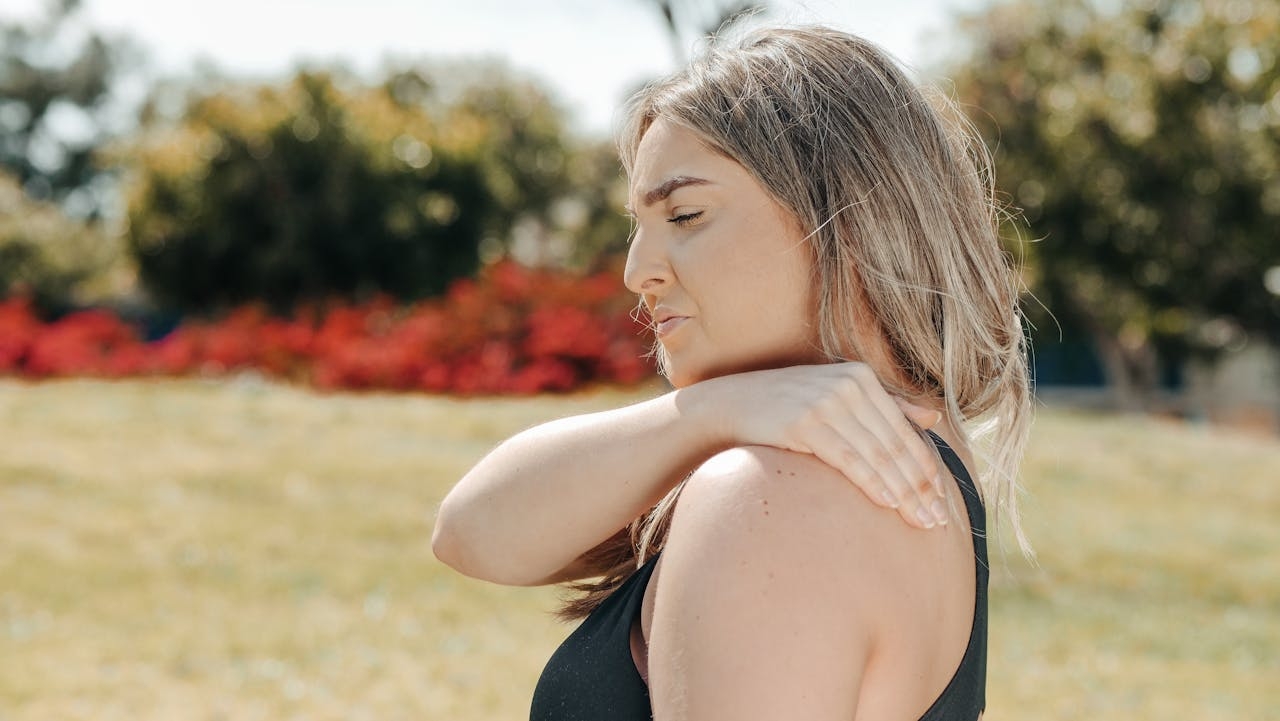
You expected a routine shot. Maybe it was a flu vaccine at a pharmacy, a clinic, or a workplace health event. Maybe you were in and out in minutes and assumed any soreness would be gone in a day or two. Instead, your shoulder still hurts. You may be struggling to lift your arm, sleep comfortably, carry groceries, drive, work, or get through everyday tasks without sharp pain.
If that sounds familiar, you may be dealing with SIRVA, or Shoulder Injury Related to Vaccine Administration. This is not the same as ordinary post-shot soreness. SIRVA is a shoulder injury associated with the administration of certain vaccines and may occur when an injection is not placed properly, sometimes causing significant pain, inflammation, reduced range of motion, and long-term disruption to daily life.
For many people in New Jersey, the hardest part is not only the pain. It is the uncertainty. You may be wondering whether you are overreacting, whether the injury will eventually go away, whether your medical bills will keep piling up, or whether there is any legal path forward at all. We understand how stressful that can be. At Sadaka Law, we believe that when a routine medical event turns into an ongoing health problem, you deserve clear answers. That is especially true in vaccine injury cases, where the process is highly specialized and often unfamiliar to most people.
What Is SIRVA?
SIRVA stands for Shoulder Injury Related to Vaccine Administration. It generally refers to a shoulder injury caused not by the contents of the vaccine itself, but by the way the injection was given.
When a shot is given too high in the shoulder, it may affect sensitive structures near the joint rather than the thicker muscle where the injection is generally intended to go. In some cases, that can lead to more than temporary soreness. For some people, it causes lasting pain, limited range of motion, weakness, and damage to the soft tissues in the shoulder. In more serious cases, recovery may involve months of treatment, physical therapy, and continued difficulty using the arm normally.
That distinction matters. Many people expect mild soreness after a shot. What they do not expect is persistent pain that interferes with work, childcare, exercise, sleep, or simple tasks like reaching into a cabinet or putting on a coat. When pain continues and function does not return, the issue may be more than a normal vaccine reaction.
When Shoulder Pain After a Vaccine May Be a Red Flag
Just because your arm is sore does not mean you are experiencing SIRVA. Some discomfort after a vaccine is common. The concern becomes greater when shoulder pain starts shortly after the injection, feels unusually intense, or does not improve as expected. In many SIRVA cases, people notice significant pain early on, along with limited motion or increasing difficulty using the arm normally.
Some warning signs may include:
- Shoulder pain that starts very soon after the injection
- Pain that does not improve after a few days
- Trouble raising your arm
- Loss of strength or range of motion
- Pain that affects sleep or basic daily activities
- Ongoing inflammation, weakness, or functional limitation
If you are dealing with these symptoms, it is important to take them seriously. Waiting too long can make it harder to get answers, begin proper treatment, and preserve important documentation.
Why SIRVA Can Be So Disruptive
Shoulder injuries can affect almost every part of daily life. If you work in healthcare, construction, retail, education, delivery, or any job that involves lifting, reaching, driving, typing, or repetitive arm movement, a shoulder injury can hit hard. Even outside of work, persistent pain can make normal routines exhausting. Parents may have trouble caring for children. Older adults may find their independence reduced. Caregivers may struggle to help others while coping with their own pain.
That is why this kind of injury should not be dismissed as minor. A vaccine injury claim is not about exaggerating normal discomfort. It is about recognizing when an administration-related injury has caused meaningful harm and deserves serious attention.
Can You Seek Compensation for SIRVA?
For certain covered vaccines, injury claims may be handled through the National Vaccine Injury Compensation Program, also known as the VICP. The VICP is a federal no-fault compensation program that serves as an alternative to the traditional legal system for certain vaccine injury claims, allowing eligible individuals to seek compensation through a specialized federal process. HRSA explains that the VICP covers certain vaccines routinely given in the United States, while COVID-19 vaccine claims are generally handled through the separate Countermeasures Injury Compensation Program, or CICP.
In a qualifying case, the issue is not handled the same way as a typical personal injury lawsuit. Depending on the claim, the question may be whether the injury meets the requirements of the Vaccine Injury Table or whether the available medical evidence supports a causal connection. For certain covered vaccines, SIRVA appears on the Vaccine Injury Table, and if the injury fits the applicable requirements and timing criteria, causation may be presumed unless another cause is shown. If the claim does not fit within the Table, the petitioner may need evidence such as medical records, medical opinion, or expert testimony to prove causation.
What Makes a Strong SIRVA Claim?
A strong claim usually starts with timing and documentation. Medical records often matter a great deal. So does the history of your symptoms. In vaccine injury cases, details that may seem small while you are trying to get through the day can become very important later, including:
- When you received the shot
- Where you received it
- When the pain began
- How your symptoms changed over time
- What treatment you sought
- Whether you had prior shoulder problems
- How the injury affected your work and daily life
This is where many people start to feel overwhelmed. You may be trying to manage pain, appointments, missed work, insurance paperwork, and uncertainty all at once. We understand that stress. That is why our approach is centered on clear communication, thorough preparation, and personal attention. You should never feel like your case is just another file on someone’s desk.
Why Experience Matters in Vaccine Injury Cases
Vaccine injury claims are not handled like ordinary accident claims. They involve a specialized federal process, medical proof issues, and legal standards that can be difficult to navigate without focused experience. These cases often require close attention to medical detail, scientific evidence, and a claims process that many injured people have never encountered before. That is why it is important to work with counsel who understands how medically and legally complex these claims can be.
That is one reason shoulder pain after a vaccine may be easy for others to minimize. Work concerns, daily limitations, and financial stress can add up quickly, even while you are still trying to understand what happened. You need more than generic reassurance. You need a legal team that understands both the human side of the injury and the level of detail required to build a strong claim.
What You Should Do If You Suspect SIRVA
If you believe you may have SIRVA, it is wise to act promptly.
Seek medical attention and describe your symptoms clearly. Tell your provider when the shot was given, where it was administered, and when the pain began. Keep records of visits, imaging, treatment recommendations, therapy, and any work limitations. If your injury is affecting your job or home life, make note of that too.
Then, speak with a lawyer who understands vaccine injury claims in New Jersey and the complex process involved. Getting answers early can help you avoid mistakes, preserve important documentation, and better understand whether your shoulder pain may qualify for compensation.
Talk to Sadaka Law If Shoulder Pain After a Vaccine Is Disrupting Your Life in New Jersey
At Sadaka Law, we know that people do not come to us because life is going smoothly. They come to us when something that should have been routine has become painful, disruptive, and frightening. If you or your loved one is dealing with serious shoulder pain after a vaccine in New Jersey, we are here to help you understand what may have happened, what options may be available, and what it takes to move forward with clarity.
We do not believe in noise for the sake of noise. We believe in preparation, clarity, and protecting people when the stakes are high. If your shoulder pain may be more than ordinary soreness, now is the time to get informed. Contact Sadaka Law for a free case review and let us help you take back some control, understand your options, and pursue any compensation that may be available in your case.
Disclaimer: The articles on this blog are for informative purposes only and are no substitute for legal advice or an attorney-client relationship. If you are seeking legal advice, please contact our law firm directly.